Do I Apply Clindamycin if I Wash My Face Again
These highlights practice not include all the information needed to use CLINDAMYCIN PHOSPHATE and BENZOYL PEROXIDE GEL safely and effectively. See total prescribing data for CLINDAMYCIN PHOSPHATE and BENZOYL PEROXIDE GEL.
CLINDAMYCIN PHOSPHATE and BENZOYL PEROXIDE gel, for topical use
Initial U.S. Approval: 2000
INDICATIONS AND USAGE
Clindamycin Phosphate and Benzoyl Peroxide Gel, 1.2%/5% is a combination of clindamycin phosphate (a lincosamide antibacterial) and benzoyl peroxide indicated for the topical treatment of inflammatory acne vulgaris. (1.1) (1)
Limitation of Use: (1)
Clindamycin Phosphate and Benzoyl Peroxide Gel, i.two%/5% has non been demonstrated to have whatsoever additional benefit when compared with benzoyl peroxide alone in the same vehicle when used for the treatment of non-inflammatory acne. (1.2) (1)
DOSAGE AND Assistants
- •
- Apply a thin layer of Clindamycin Phosphate and Benzoyl Peroxide Gel, one.two%/v% to the face once daily, in the evening. (2)
- •
- Not for oral, ophthalmic, or intravaginal utilise. (two)
DOSAGE FORMS AND STRENGTHS
Gel, 1.two%/five%: Each gram of Clindamycin Phosphate and Benzoyl Peroxide Gel, 1.2%/5% contains 12 mg clindamycin phosphate (equivalent to 10 mg of clindamycin) and l mg benzoyl peroxide. (3)
CONTRAINDICATIONS
Clindamycin Phosphate and Benzoyl Peroxide Gel, one.2%/5% is contraindicated in: (4)
- •
- Patients who have demonstrated hypersensitivity (east.chiliad., anaphylaxis) to clindamycin, benzoyl peroxide, any components of the formulation, or lincomycin. (four)
- •
- Patients with a history of regional enteritis, ulcerative colitis, or antibiotic-associated colitis (including pseudomembranous colitis). (4)
WARNINGS AND PRECAUTIONS
- •
- Colitis: Clindamycin can crusade severe colitis, which may result in death. Diarrhea, encarmine diarrhea, and colitis (including pseudomembranous colitis) take been reported with the use of clindamycin. Clindamycin Phosphate and Benzoyl Peroxide Gel, i.2%/5% should be discontinued if meaning diarrhea occurs. (v.one)
- •
- Ultraviolet light and environmental exposure (including use of tanning beds or sun lamps): Minimize sun exposure following drug awarding. (v.2)
ADVERSE REACTIONS
- •
- The most common local adverse reactions (≥v%) are erythema, peeling, dryness, and called-for. (6.ane)
To report SUSPECTED ADVERSE REACTIONS, contact Perrigo at ane-866-634-9120 or FDA at 1-800-FDA-1088 or www.fda.gov/medwatch.
DRUG INTERACTIONS
- •
- Clindamycin Phosphate and Benzoyl Peroxide Gel, 1.2%/5% should not be used in combination with erythromycin-containing products because of its clindamycin component. (seven.one)
Run into 17 for PATIENT COUNSELING Information.
Revised: seven/2016
FULL PRESCRIBING Information: CONTENTS*
i INDICATIONS AND USAGE
i.1 Indication
1.two Limitations of Utilise
2 DOSAGE AND Assistants
three DOSAGE FORMS AND STRENGTHS
4 CONTRAINDICATIONS
4.ane Hypersensitivity
four.2 Colitis/Enteritis
five WARNINGS AND PRECAUTIONS
5.one Colitis
5.2 Ultraviolet Low-cal and Environmental Exposure
half-dozen Adverse REACTIONS
6.1 Clinical Trials Experience
six.2 Postmarketing Experience
7 DRUG INTERACTIONS
7.1 Erythromycin
vii.2 Concomitant Topical Medications
7.3 Neuromuscular Blocking Agents
seven.4 Topical Sulfone Products
8 Utilise IN SPECIFIC POPULATIONS
viii.1 Pregnancy
8.iii Nursing Mothers
8.4 Pediatric Employ
8.5 Geriatric Use
11 DESCRIPTION
12 CLINICAL PHARMACOLOGY
12.1 Mechanism of Activeness
12.three Pharmacokinetics
12.4 Microbiology
13 NONCLINICAL TOXICOLOGY
xiii.1 Carcinogenesis, Mutagenesis, Impairment of Fertility
14 CLINICAL STUDIES
16 HOW SUPPLIED/STORAGE AND HANDLING
xvi.i How Supplied
xvi.2 Storage and Handling
sixteen.3 Dispensing Instructions for the Pharmacist
17 PATIENT COUNSELING INFORMATION
- *
- Sections or subsections omitted from the full prescribing information are not listed.
ane.one Indication
Clindamycin Phosphate and Benzoyl Peroxide Gel, 1.2%/five% is indicated for the topical treatment of inflammatory acne vulgaris in patients 12 years and older.
1.2 Limitations of Use
Clindamycin Phosphate and Benzoyl Peroxide Gel, 1.2%/5% has not been demonstrated to have any boosted benefit when compared with benzoyl peroxide lone in the same vehicle when used for the handling of not-inflammatory acne.
Apply a thin layer of Clindamycin Phosphate and Benzoyl Peroxide Gel, 1.2%/5% to the face in one case daily, in the evening or as directed past the doctor. The skin should be gently washed, rinsed with warm water, and patted dry earlier applying Clindamycin Phosphate and Benzoyl Peroxide Gel, 1.2%/5%. Avoid the optics, rima oris, lips, mucous membranes, or areas of cleaved peel.
Clindamycin Phosphate and Benzoyl Peroxide Gel, 1.2%/v% is non for oral, ophthalmic, or intravaginal use.
Gel, 1.two%/five%
Clindamycin Phosphate and Benzoyl Peroxide Gel, 1.two%/v% is a white, opaque gel. Each gram of Clindamycin Phosphate and Benzoyl Peroxide Gel, 1.2%/five% contains 12 mg clindamycin phosphate (equivalent to 10 mg of clindamycin) and fifty mg benzoyl peroxide.
iv.1 Hypersensitivity
Clindamycin Phosphate and Benzoyl Peroxide Gel, 1.ii%/5% is contraindicated in those individuals who have shown hypersensitivity to clindamycin, benzoyl peroxide, whatever components of the formulation, or lincomycin. Anaphylaxis, as well as allergic reactions leading to hospitalization, has been reported in postmarketing utilise with clindamycin phosphate and benzoyl peroxide gel, i.two%/5% [see Agin Reactions (6.two)].
4.2 Colitis/Enteritis
Clindamycin Phosphate and Benzoyl Peroxide Gel, 1.2%/5% is contraindicated in those individuals with a history of regional enteritis, ulcerative colitis, pseudomembranous colitis, or antibiotic-associated colitis [encounter Warnings and Precautions (5.1)].
v.1 Colitis
Systemic assimilation of clindamycin has been demonstrated following topical apply of clindamycin. Diarrhea, bloody diarrhea, and colitis (including pseudomembranous colitis) have been reported with the use of topical and systemic clindamycin. If significant diarrhea occurs, Clindamycin Phosphate and Benzoyl Peroxide Gel, 1.2%/5% should exist discontinued.
Astringent colitis has occurred following oral and parenteral assistants of clindamycin with an onset of up to several weeks following cessation of therapy. Antiperistaltic agents such every bit opiates and diphenoxylate with atropine may prolong and/or worsen severe colitis. Astringent colitis may issue in decease.
Studies indicate a toxin(s) produced past Clostridia is one primary cause of antibiotic-associated colitis. The colitis is usually characterized by severe persistent diarrhea and astringent abdominal cramps and may be associated with the passage of blood and fungus. Stool cultures for Clostridium difficile and stool analysis for C. difficile toxin may be helpful diagnostically.
v.ii Ultraviolet Light and Environmental Exposure
Benzoyl peroxide, a component of Clindamycin Phosphate and Benzoyl Peroxide Gel, ane.2%/5%, may cause increased sensitivity to sunlight. Minimize lord's day exposure (including use of tanning beds or sun lamps) post-obit drug awarding. [See Nonclinical Toxicology (13.ane)] Patients who may be required to have considerable sun exposure due to occupation and those with inherent sensitivity to the sun should exercise particular caution.
The following adverse reaction is described in more detail in the Warnings and Precautions section of the label:
- •
- Colitis [see Warnings and Precautions (5.ane)].
six.i Clinical Trials Experience
Because clinical trials are conducted under widely varying conditions, agin reaction rates observed in the clinical trials of a drug cannot be directly compared with rates in the clinical trials of another drug and may not reflect the rates observed in exercise.
During clinical trials, 397 subjects used clindamycin phosphate and benzoyl peroxide gel, 1.2%/v% one time daily for eleven weeks for the handling of moderate to moderately severe facial acne vulgaris. All subjects were graded for facial local skin reactions (erythema, peeling, burning, and dryness) on the following scale: 0 = absent-minded, 1 = mild, 2 = moderate, and 3 = severe. The pct of subjects that had symptoms present before treatment (at baseline) and during treatment is presented in Tabular array one.
Tabular array 1. Local Skin Reactions With Apply Of Clindamycin Phosphate and Benzoyl Peroxide Gel, 1.2%/5% Combined Results From Five Trials (n=397)
(Percentages derived past number of subjects receiving clindamycin phosphate and benzoyl peroxide gel, 1.two%/5% with symptom score/number of enrolled subjects receiving clindamycin phosphate and benzoyl peroxide gel, 1.2%/v%).
6.2 Postmarketing Experience
The post-obit adverse reactions have been identified during post approving use of clindamycin phosphate and benzoyl peroxide gel, 1.2%/5%. Considering these reactions are reported voluntarily from a population of uncertain size, it is not always possible to reliably estimate their frequency or establish a causal relationship to drug exposure.
Anaphylaxis, too equally allergic reactions leading to hospitalization, has been reported in postmarketing use with clindamycin phosphate and benzoyl peroxide gel, ane.2%/five%. Urticaria, application site reactions, including discoloration accept been reported.
7.1 Erythromycin
Avoid using Clindamycin Phosphate and Benzoyl Peroxide Gel, 1.two%/5% in combination with erythromycin-containing products due to its clindamycin component. In vitro studies have shown animosity between erythromycin and clindamycin. The clinical significance of this in vitro antagonism is not known.
7.2 Concomitant Topical Medications
Concomitant topical acne therapies should be used with circumspection since a possible cumulative irritancy upshot may occur, especially with the use of peeling, desquamating, or abrasive agents. If irritancy or dermatitis occurs, reduce frequency of application or temporarily interrupt treatment and resume one time the irritation subsides. Treatment should be discontinued if the irritation persists.
vii.3 Neuromuscular Blocking Agents
Clindamycin has been shown to have neuromuscular blocking properties that may enhance the action of other neuromuscular blocking agents. Clindamycin Phosphate and Benzoyl Peroxide Gel, 1.2%/five% should be used with caution in patients receiving such agents.
7.iv Topical Sulfone Products
Use of topical benzoyl-peroxide-containing preparations with topical sulfone products may cause skin and facial pilus to temporarily change colour (yellow/orangish).
8.one Pregnancy
Pregnancy Category C.
There are no adequate and well-controlled studies in pregnant women treated with Clindamycin Phosphate and Benzoyl Peroxide Gel, 1.two%/five%. Clindamycin Phosphate and Benzoyl Peroxide Gel, 1.ii%/5% should be used during pregnancy merely if the potential do good justifies the potential adventure to the fetus.
Developmental toxicity studies performed in rats and mice using oral doses of clindamycin up to 600 mg per kg per day (240 and 120 times the amount of clindamycin in the highest recommended adult homo dose based on mg per thousand2, respectively) or subcutaneous doses of clindamycin up to 250 mg per kg per 24-hour interval (100 and 50 times the amount of clindamycin in the highest recommended adult human being dose based on mg per m2, respectively) revealed no evidence of teratogenicity.
viii.3 Nursing Mothers
Information technology is not known whether Clindamycin Phosphate and Benzoyl Peroxide Gel, i.2%/5% is excreted into human milk after topical application.
However, orally and parenterally administered clindamycin has been reported to announced in breast milk. Because of the potential for serious adverse reactions in nursing infants, a conclusion should be made whether to discontinue nursing or to discontinue the drug, taking into business relationship the importance of the drug to the female parent. Because many drugs are excreted in human milk, caution should be exercised when Clindamycin Phosphate and Benzoyl Peroxide Gel, i.2%/5% is administered to a nursing woman.
eight.4 Pediatric Use
Condom and effectiveness of clindamycin phosphate and benzoyl peroxide gel, 1.2%/v% in pediatric patients below the age of 12 have non been established.
viii.five Geriatric Utilize
Clinical studies of clindamycin phosphate and benzoyl peroxide gel, 1.2%/five% did not include sufficient numbers of subjects ages 65 and over to make up one's mind whether they respond differently from younger subjects.
Clindamycin Phosphate and Benzoyl Peroxide Gel, i.2%/v% is a fixed combination product with 2 active ingredients in a white, opaque, aqueous gel formulation.
Clindamycin phosphate is a water soluble ester of the semi-synthetic antibiotic produced by a 7(S)-chloro-substitution of the vii(R)-hydroxyl group of the parent antibody lincomycin. Clindamycin phosphate is C18H34ClN2O8PS. The structural formula for clindamycin phosphate is represented beneath:
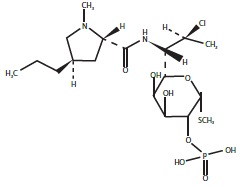
Clindamycin phosphate has a molecular weight of 504.97 and its chemical name is methyl 7-chloro-6,seven,8-trideoxy-half dozen-(one-methyl-trans-4-propyl-50-2-pyrrolidinecarboxamido)-1-thio-L-threo-α-D-galacto-octopyranoside 2-(dihydrogen phosphate).
Benzoyl peroxide is C14H10Ofour. It has the post-obit structural formula:
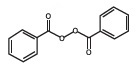
Benzoyl peroxide has a molecular weight of 242.23.
Each gram of Clindamycin Phosphate and Benzoyl Peroxide Gel, 1.2%/five% contains x mg (1%) clindamycin, every bit clindamycin phosphate, and 50 mg (5%) benzoyl peroxide in a base consisting of carbomer homopolymer (type B), hydrochloric acrid, methylparaben, dimethicone, propylparaben, purified water and sodium hydroxide.
12.one Mechanism of Action
Clindamycin: Clindamycin is a lincosamide antibacterial [come across Clinical Pharmacology (12.iv)].
Benzoyl Peroxide: Benzoyl peroxide is an oxidizing amanuensis with bacteriocidal and keratolytic effects, but the precise machinery of action is unknown.
12.3 Pharmacokinetics
A comparative trial of the pharmacokinetics of clindamycin phosphate and benzoyl peroxide gel, 1.2%/five% and i% clindamycin solution alone in 78 subjects indicated that mean plasma clindamycin levels during the iv-week dosing period were less than 0.5 ng/mL for both treatment groups.
Benzoyl peroxide has been shown to be absorbed past the peel where it is converted to benzoic acid. Less than 2% of the dose enters systemic circulation equally benzoic acrid.
12.4 Microbiology
Clindamycin binds to the 50S ribosomal subunits of susceptible bacteria and prevents elongation of peptide bondage by interfering with peptidyl transfer, thereby suppressing protein synthesis.
In Vivo Activity: No microbiology studies were conducted in the clinical trials with this product.
In Vitro Activity: The clindamycin and benzoyl peroxide components individually have been shown to have in vitro action against Propionibacterium acnes, an organism which has been associated with acne vulgaris; however, the clinical significance of this in vitro activity is not known.
Drug Resistance: In that location are reports of an increase of P. acnes resistance to clindamycin in the treatment of acne. In patients with P. acnes resistant to clindamycin, the clindamycin component may provide no boosted do good across benzoyl peroxide lone.
13.1 Carcinogenesis, Mutagenesis, Impairment of Fertility
Benzoyl peroxide has been shown to be a tumor promoter and progression agent in a number of fauna studies. Benzoyl peroxide in acetone at doses of five and 10 mg administered twice per week induced squamous jail cell pare tumors in transgenic TgAC mice in a study using 20 weeks of topical treatment. The clinical significance of this is unknown.
In a ii-year dermal carcinogenicity study in mice, treatment with clindamycin phosphate and benzoyl peroxide gel, i.2%/5% at doses up to viii,000 mg per kg per day (xvi times the highest recommended adult human dose of ii.5 g clindamycin phosphate and benzoyl peroxide gel, 1.2%/five%, based on mg per chiliadii) did not cause an increase in skin tumors. However, topical handling with another conception containing one% clindamycin and v% benzoyl peroxide at doses of 100, 500, or two,000 mg per kg per twenty-four hours acquired a dose-dependent increment in the incidence of keratoacanthoma at the treated skin site of male rats in a two-year dermal carcinogenicity study in rats.
In a 52-week photocarcinogenicity study in hairless mice (40 weeks of handling followed by 12 weeks of ascertainment), the median time to onset of skin tumor formation decreased and the number of tumors per mouse increased relative to controls following chronic concurrent topical treatment with clindamycin phosphate and benzoyl peroxide gel, one.2%/five% and exposure to ultraviolet radiation.
Genotoxicity studies were not conducted with clindamycin phosphate and benzoyl peroxide gel, i.ii%/five%. Clindamycin phosphate was not genotoxic in Salmonella typhimurium or in a rat micronucleus exam. Benzoyl peroxide has been establish to cause DNA strand breaks in a variety of mammalian cell types, to be mutagenic in Salmonella typhimurium tests by some only not all investigators, and to crusade sis chromatid exchanges in Chinese hamster ovary cells. Studies have not been performed with clindamycin phosphate and benzoyl peroxide gel, one.2%/5% or benzoyl peroxide to evaluate the result on fertility. Fertility studies in rats treated orally with up to 300 mg per kg per day of clindamycin (approximately 120 times the corporeality of clindamycin in the highest recommended developed human dose of ii.5 thousand clindamycin phosphate and benzoyl peroxide gel, one.two%/v%, based on mg per m2) revealed no effects on fertility or mating ability.
In five randomized, double-blind clinical trials of 1,319 subjects, 397 used clindamycin phosphate and benzoyl peroxide gel, 1.ii%/5%, 396 used benzoyl peroxide, 349 used clindamycin, and 177 used vehicle. Subjects were instructed to wash the face, look 10 to xx minutes, and then apply medication to the entire face, once daily in the evening earlier retiring. Clindamycin phosphate and benzoyl peroxide gel, 1.ii%/5% applied once daily for xi weeks was significantly more effective than vehicle, benzoyl peroxide, and clindamycin in the handling of inflammatory lesions of moderate to moderately severe facial acne vulgaris in three of the five trials (Trials 1, 2, and 5). Subjects were evaluated and acne lesions counted at each clinical visit at Weeks ii, five, 8, eleven. The principal efficacy measures were the lesion counts and the investigator'south global assessment evaluated at Calendar week eleven. Per centum reductions in inflammatory lesion counts after treatment for 11 weeks in these 5 trials are shown in Tabular array two.
Table ii. Mean Pct Reduction In Inflammatory Lesion Counts
The group treated with clindamycin phosphate and benzoyl peroxide gel, one.2%/5% showed greater overall improvement in the investigator'southward global cess than the benzoyl peroxide, clindamycin, and vehicle groups in 3 of the five trials (Trials 1, ii, and 5).
Clinical trials have not fairly demonstrated the effectiveness of clindamycin phosphate and benzoyl peroxide gel, 1.2%/five% versus benzoyl peroxide alone in the treatment of non-inflammatory lesions of acne.
16.1 How Supplied
Clindamycin Phosphate and Benzoyl Peroxide Gel, one.2%/5% is a white, opaque gel.
Information technology is supplied every bit follows:
- •
- 45 gram tube NDC 45802-736-84
xvi.ii Storage and Handling
Pharmacist:
- •
- Prior to Dispensing: Store in a cold place, preferably in a refrigerator, between 2°C and 8°C (36°F and 46°F). Exercise non freeze.
16.3 Dispensing Instructions for the Pharmacist
- •
- Dispense Clindamycin Phosphate and Benzoyl Peroxide Gel, 1.2%/5% with a 60-day expiration date.
- •
- Specify "Store at room temperature up to 25°C (77°F). Practice not freeze."
- •
- Keep tube tightly airtight.
- •
- Keep out of the reach of modest children.
See FDA-approved patient labeling (Patient Data).
- •
- Patients who develop allergic reactions such as severe swelling or shortness of jiff should discontinue apply and contact their doctor immediately.
- •
- Clindamycin Phosphate and Benzoyl Peroxide Gel, 1.2%/5% may crusade irritation such every bit erythema, scaling, itching, or burning, specially when used in combination with other topical acne therapies.
- •
- Excessive or prolonged exposure to sunlight should be limited. To minimize exposure to sunlight, a hat or other clothing should be worn. Sunscreen may likewise be used.
- •
- Clindamycin Phosphate and Benzoyl Peroxide Gel, 1.2%/5% may bleach pilus or colored fabric.
- •
- Clindamycin Phosphate and Benzoyl Peroxide Gel, 1.2%/v% may cause skin and facial hair to temporarily change color (yellow/orange) when used with topical sulfone products.
Fabricated in State of israel
Manufactured By Perrigo
Yeruham 80500, Israel
Distributed Past
Perrigo®
Allegan, MI 49010 • world wide web.perrigo.com
Rev 09-15
5M400 RC J6
Clindamycin Phosphate and Benzoyl Peroxide Gel, ane.2%/5%
Read this Patient Information earlier y'all showtime using Clindamycin Phosphate and Benzoyl Peroxide Gel, one.two%/5% and each time y'all get a refill. At that place may be new data. This information does non take the identify of talking with your healthcare provider about your medical status or your treatment.
What is Clindamycin Phosphate and Benzoyl Peroxide Gel, 1.2%/5%?
Clindamycin Phosphate and Benzoyl Peroxide Gel, 1.2%/5% is a prescription medicine used on the skin (topical) to care for inflamed acne in people 12 years and older.
Who should not apply Clindamycin Phosphate and Benzoyl Peroxide Gel, 1.two%/5%?
Do not use Clindamycin Phosphate and Benzoyl Peroxide Gel, 1.2%/v% if you take:
- •
- had an allergic reaction to clindamycin, lincomycin, benzoyl peroxide, or whatsoever of the ingredients in Clindamycin Phosphate and Benzoyl Peroxide Gel, 1.2%/five%. See the end of this leaflet for a complete list of ingredients in Clindamycin Phosphate and Benzoyl Peroxide Gel, 1.2%/5%.
- •
- Crohn's disease or ulcerative colitis.
- •
- had inflammation of the colon (colitis) with past antibiotic utilise.
What should I tell my healthcare provider earlier using Clindamycin Phosphate and Benzoyl Peroxide Gel, ane.two%/5%?
Before using Clindamycin Phosphate and Benzoyl Peroxide Gel, i.2%/5%, tell your healthcare provider most all of your medical conditions, including if you:
- •
- plan to have surgery with full general anesthesia.
- •
- are sensitive to sunlight.
- •
- are meaning or plan to become meaning. It is not known if Clindamycin Phosphate and Benzoyl Peroxide Gel, 1.2%/5% volition harm your unborn baby.
- •
- are breastfeeding or plan to breastfeed. It is non known if Clindamycin Phosphate and Benzoyl Peroxide Gel, 1.ii%/5% passes into your breast milk. Ane of the medicines in Clindamycin Phosphate and Benzoyl Peroxide Gel, 1.2%/v% is clindamycin. Clindamycin when taken by mouth or by injection has been reported to announced in chest milk. You and your healthcare provider should decide if you volition use Clindamycin Phosphate and Benzoyl Peroxide Gel, 1.2%/5% while breastfeeding.
Tell your healthcare provider about all the medicines you have,
including prescription or over-the-counter medicines, vitamins, herbal supplements, and skin products you use. Using other topical acne products may increase the irritation of your skin when used with Clindamycin Phosphate and Benzoyl Peroxide Gel, one.2%/v%.
- •
- Especially tell your healthcare provider if you accept a medicine that contains erythromycin. Clindamycin Phosphate and Benzoyl Peroxide Gel, 1.2%/5% should not be used with products that incorporate erythromycin.
- •
- Clindamycin Phosphate and Benzoyl Peroxide Gel, one.2%/5% may cause skin and facial pilus to temporarily change color (yellow or orange) when used with topical products that incorporate sulfones.
How should I use Clindamycin Phosphate and Benzoyl Peroxide Gel, 1.2%/5%?
- •
- Use Clindamycin Phosphate and Benzoyl Peroxide Gel, 1.ii%/5% exactly as your healthcare provider tells you to use it.
- •
- Before you utilise Clindamycin Phosphate and Benzoyl Peroxide Gel, 1.2%/5%, wash your face gently with a mild soap, rinse with warm water, and pat the skin dry.
- •
- Apply a thin layer of Clindamycin Phosphate and Benzoyl Peroxide Gel, i.2%/5% to your face up 1 time a twenty-four hour period, in the evening or as directed by your healthcare provider. Wash your easily with soap and water afterwards applying Clindamycin Phosphate and Benzoyl Peroxide Gel, 1.2%/5%.
- •
- Do not get Clindamycin Phosphate and Benzoyl Peroxide Gel, i.two%/5% in your oral cavity, optics, nose, vagina, or on your lips. Do not get Clindamycin Phosphate and Benzoyl Peroxide Gel, 1.2%/5% on cuts or open wounds.
What should I avert while using Clindamycin Phosphate and Benzoyl Peroxide Gel, 1.two%/five%?
- •
- Limit your fourth dimension in sunlight. Avoid using tanning beds or sun lamps. If you have to be in sunlight, clothing a wide-brimmed hat or other protective clothing. Sunscreen may also be used.
- •
- Talk to your healthcare provider if you spend a lot of time in the sun.
- •
- Clindamycin Phosphate and Benzoyl Peroxide Gel, 1.2%/5% may bleach hair or colored textile.
What are the possible side effects with Clindamycin Phosphate and Benzoyl Peroxide Gel, ane.two%/v%?
Clindamycin Phosphate and Benzoyl Peroxide Gel, i.two%/5% may cause serious side effects, including:
- •
- Inflammation of the colon (colitis). End using Clindamycin Phosphate and Benzoyl Peroxide Gel, i.2%/5% and call your healthcare provider right away if y'all have severe watery diarrhea, or bloody diarrhea.
- •
- Allergic reactions. Stop using Clindamycin Phosphate and Benzoyl Peroxide Gel, 1.2%/five% and call your healthcare provider or get assistance right abroad if you lot have any of the post-obit symptoms:
- o
- severe itching
- o
- swelling of your face, eyes, lips, tongue, or throat
- o
- problem breathing
The about common side furnishings with Clindamycin Phosphate and Benzoyl Peroxide Gel, 1.two%/5% are skin reactions and may include redness, peeling, dryness, and called-for.
These are non all the possible side furnishings with Clindamycin Phosphate and Benzoyl Peroxide Gel, 1.2%/5%.
Call your doctor for medical advice about side effects. Y'all may report side effects to FDA at ane-800-FDA-1088.
How should I shop Clindamycin Phosphate and Benzoyl Peroxide Gel, i.two%/v%?
- •
- Shop Clindamycin Phosphate and Benzoyl Peroxide Gel, 1.2%/5% at room temperature upwards to 25°C (77°F). Do not freeze Clindamycin Phosphate and Benzoyl Peroxide Gel, 1.2%/5%.
- •
- The expiration date of Clindamycin Phosphate and Benzoyl Peroxide Gel, 1.2%/5% is 60 days from the date when you make full your prescription.
- •
- Safely throw away expired Clindamycin Phosphate and Benzoyl Peroxide Gel, 1.2%/5%.
- •
- Proceed the tube tightly airtight.
Keep Clindamycin Phosphate and Benzoyl Peroxide Gel, i.2%/v% and all medicines out of the reach of children.
General data about Clindamycin Phosphate and Benzoyl Peroxide Gel, 1.two%/5%
Medicines are sometimes prescribed for purposes other than those listed in a Patient Data leaflet. Exercise not use Clindamycin Phosphate and Benzoyl Peroxide Gel, one.2%/5% for a condition for which it was non prescribed. Do not give Clindamycin Phosphate and Benzoyl Peroxide Gel, one.2%/v% to other people, even if they have the same symptoms you take. Information technology may impairment them.
If yous would like more information, talk with your healthcare provider. You tin can also ask your pharmacist or healthcare provider for information about Clindamycin Phosphate and Benzoyl Peroxide Gel, 1.2%/5% that is written for health professionals.
For more data, call 1-866-634-9120.
What are the ingredients in Clindamycin Phosphate and Benzoyl Peroxide Gel, 1.2%/5%?
Agile Ingredients: clindamycin phosphate one.ii% and benzoyl peroxide 5%
Inactive ingredients: carbomer homopolymer (type B), hydrochloric acid, methylparaben, dimethicone, propylparaben, purified water and sodium hydroxide.
This Patient Information has been approved past the U.Due south. Food and Drug Administration.
Made in State of israel
Manufactured By Perrigo
Yeruham 80500, Israel
Distributed Past
Perrigo®
Allegan, MI 49010 • www.perrigo.com
Rev 09-15
5M400 RC J6
Rx Merely
NDC 45802-736-84
Clindamycin Phosphate and Benzoyl Peroxide Gel, 1.two%/5%
45g
For External Use Only

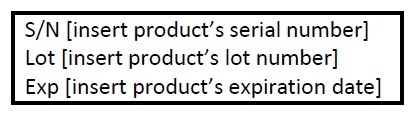
The following image is a placeholder representing the production identifier that is either affixed or imprinted on the drug packet label during the packaging operation.
espinozatheromend39.blogspot.com
Source: https://dailymed.nlm.nih.gov/dailymed/drugInfo.cfm?setid=1c7040f2-e503-408a-b07e-72c7972ce78d
0 Response to "Do I Apply Clindamycin if I Wash My Face Again"
Postar um comentário